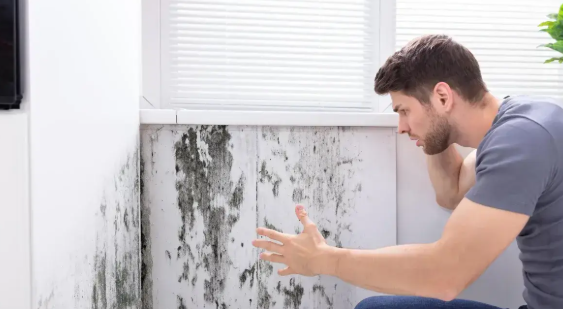
Finding mold inside a rental property can be unsettling, especially when the problem keeps returning after cleaning or minor repairs. Tenants may wonder whether the landlord is responsible, what evidence they should keep, and whether the condition affects their legal rights. Searching for mold attorneys los angeles often means a tenant has already tried to resolve the issue and needs a clearer understanding of what comes next. The priority should be documenting the condition, communicating properly, and understanding the circumstances surrounding the moisture and mold.
Look Beyond the Visible Growth
Visible mold is only part of the problem. The moisture supporting it may be coming from a leaking pipe, roof, window, bathroom, appliance, HVAC system, or another hidden source.
Cleaning the visible area without addressing the moisture source may not resolve the underlying condition. Identifying how water entered or remained in the property can therefore be important.
Notify the Landlord Properly
Tenants should generally make repair concerns known rather than assuming the landlord will discover them independently. Written communication creates a record showing what was reported and when.
A useful notice should describe the location and nature of the problem clearly. Photographs can accompany the message, especially when stains, water damage, or visible growth are easy to document.
Record How the Problem Changes
Mold conditions can change after a leak, attempted cleaning, rainfall, repairs, or changes in ventilation. A single photograph may not show the full story.
Keep dated photographs and notes about recurring odors, visible changes, damaged belongings, or repair visits. A simple timeline can make the history of the problem much easier to understand.
Pay Attention to Property Damage
Mold-related problems are not limited to walls and ceilings. Clothing, furniture, books, electronics, carpets, and other belongings may be affected by moisture or contamination.
Keep receipts, photographs, and records for damaged items where possible. If belongings are discarded, documenting their condition beforehand can help preserve evidence of the loss.
Understand the Importance of Repairs
A landlord’s response can be an important part of a housing dispute. Quick cosmetic work may look different from a repair that actually addresses the source of moisture.
Tenants should keep records of maintenance visits, contractors who attended, work that was promised, and whether the condition returned afterward. Repeated problems can provide important context.
Do Not Ignore Health Concerns
People who believe their living environment is affecting their health should speak with an appropriate medical professional. Medical records can also become relevant when a legal claim involves alleged health effects.
A tenant should avoid assuming that every symptom has the same cause. Medical questions should be evaluated by healthcare professionals, while legal questions should be addressed separately.
Know When Advice Is Appropriate
Some maintenance problems can be resolved directly between a tenant and landlord. Others become more complicated when repairs are repeatedly delayed, property damage is substantial, or the parties disagree about responsibility.
A black mold attorney can review the available documentation and explain whether the circumstances may support a legal claim. The answer will depend on the specific facts rather than the appearance of mold alone.
Conclusion
Mold inside a rental home can create a stressful combination of maintenance, property, and personal concerns. Tenants can protect themselves by documenting conditions, keeping communications in writing, preserving evidence, and responding carefully to proposed repairs or agreements. When the dispute becomes difficult to resolve, professional guidance may provide a clearer way forward. Mehdlaw.com assists with toxic mold and habitability matters and can help affected renters understand the legal issues surrounding their situation.