


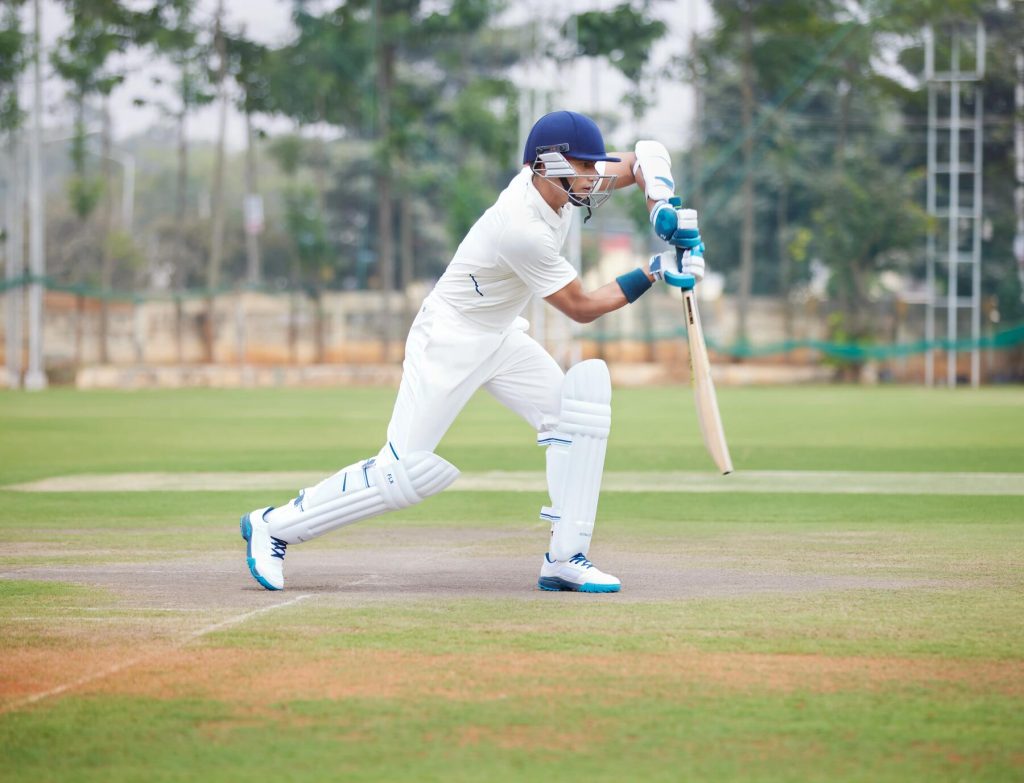
Cricket training drills are essential for any player who wants to improve skills, sharpen reflexes, and build consistency on the field. Whether you are an aspiring professional or a weekend player, structured drills make a huge difference in performance.
From the early days of watching legends like Sachin Tendulkar craft centuries to seeing bowlers like Jasprit Bumrah perfect yorkers, one thing is clear: their success stems from rigorous, focused practice. These drills help players develop muscle memory, timing, and strategic awareness that are critical in matches.
The Importance of Cricket Training Drills for Skill Development
Cricket training drills provide a systematic way to improve core skills. Batting drills focus on timing, footwork, and shot selection, while bowling drills enhance line, length, and speed. Fielding drills sharpen reflexes, improve agility, and ensure accurate throws.
Consistent practice with drills also builds mental resilience. When players face high-pressure situations, the techniques drilled repeatedly become instinctive. Coaches in academies across India emphasize that the combination of physical and mental preparation separates great players from good ones.
Batting-Focused Cricket Training Drills
Batting is often considered the backbone of a team, and effective Cricket training drills for batting target hand-eye coordination, shot execution, and movement. One common drill is the shadow batting exercise, which allows players to practice footwork and stroke play without facing a ball.
Another popular method is the use of throwdowns to simulate different bowling styles. Facing spin or pace in controlled drills helps players anticipate deliveries in real match scenarios. Legendary innings, like those played by Virat Kohli, reflect hours of meticulous batting practice through such drills.
Bowling Drills That Make a Difference
Bowling requires precision, consistency, and strategy. Cricket training drills for bowlers focus on delivering accurate lines and lengths while maintaining speed. One effective drill involves repetitive target bowling to simulate pressure situations, helping bowlers build control over swing and seam movements.
Another drill emphasizes endurance and stamina. Bowling long spells during practice replicates match conditions and builds the physical and mental stamina needed for international cricket. Coaches often combine fitness routines with bowling drills to produce well-rounded bowlers.
Fielding Drills to Improve Agility and Reflexes
Fielding is often underestimated, but effective Cricket training drills for fielders can turn matches. Quick reflexes, agile movements, and precise throws are crucial for catching or running out batters.
Drills like the slip-catching exercise, reaction ball drills, and boundary fielding simulations help players react instinctively during live matches. In fact, many memorable moments in cricket history, like stunning catches by Ravindra Jadeja, are the result of disciplined fielding practice.
Fitness Integration in Cricket Training Drills
Modern cricket demands peak physical fitness. Cricket training drills now integrate strength, agility, and endurance exercises alongside technical practice. Running drills, core workouts, and plyometric exercises improve overall athleticism, making players faster on the field.
Fitness-oriented drills also prevent injuries. By strengthening muscles and improving flexibility, players can sustain high performance throughout long tournaments. This holistic approach is why contemporary players often outlast their predecessors in stamina and agility.
Mental Preparation Through Cricket Training Drills
The mental aspect of cricket is as important as physical skill. Drills that simulate match pressure help players develop focus, patience, and decision-making abilities. Situational drills, such as chasing a target or defending runs in the final overs, prepare the mind to handle high-pressure moments effectively.
Practicing visualization techniques along with physical drills allows players to anticipate deliveries, field placements, and bowling strategies, creating an edge during matches. Top international players often credit their mental drills for match-winning performances.
Incorporating Technology in Cricket Training Drills
Technology has revolutionized how Cricket training drills are conducted. Video analysis, smart sensors, and motion tracking provide instant feedback on technique, helping players identify flaws and refine skills.
High-speed cameras capture bowling actions for biomechanical analysis, while batting simulators replicate real-game scenarios. These tools help academies produce players who are technically sound and strategically prepared for high-level competition.
Cricket Training Drills for Youth and Emerging Players
For young cricketers, early exposure to structured Cricket training drills is essential. Batting, bowling, and fielding exercises tailored for juniors build foundational skills while fostering discipline.
Drills that encourage teamwork and communication also enhance understanding of game strategy. Many future stars began with simple drills in small towns, later progressing to international prominence through disciplined practice routines.
Adapting Cricket Training Drills for T20, ODI, and Test Formats
Different formats require specialized skills. Cricket training drills adapt to match formats accordingly. T20 drills focus on explosive batting, quick scoring, and innovative shots, while ODIs emphasize building partnerships and pacing an innings.
For Test cricket, drills stress patience, defensive techniques, and stamina. Bowling strategies also differ, with spinners relying on drift and variation while pacers practice swing and seam control. Tailored drills ensure players are prepared for the unique demands of each format.
Group and Team Cricket Training Drills
While individual skills are crucial, team-based Cricket training drills enhance coordination and understanding on the field. Net sessions, running between wickets, and tactical fielding exercises improve teamwork.
Simulated match scenarios during practice allow players to implement strategies collectively. Teams that prioritize coordinated drills often demonstrate superior fielding and batting combinations in actual matches.
Using Real Match Analysis to Inform Drills
Effective Cricket training drills are often inspired by real match situations. Coaches analyze previous matches, noting mistakes and successes, then design drills to address these insights.
For instance, if a team struggled against spin, bowlers might simulate spin variations in training while batters practice against them. Learning from match data makes drills purposeful and ensures skills translate to actual games.
Creativity and Innovation in Cricket Training Drills
Modern cricket encourages innovative play, and training drills must keep pace. Players practice reverse sweeps, scoop shots, and unconventional deliveries during specialized drills.
Bowling drills now include slower balls, cutters, and bouncers to challenge batters. Creative drills not only enhance technical skills but also boost confidence and adaptability in competitive matches.
The Role of Coaches in Cricket Training Drills
A skilled coach is crucial in guiding effective Cricket training drills. Coaches observe technique, provide feedback, and motivate players to push beyond limits.
Their experience helps in designing drills that cater to individual strengths and weaknesses, ensuring holistic improvement. Many successful cricketers credit their formative years under dedicated coaches for their professional success.
Cricket Training Drills and Injury Prevention
Intense practice can lead to injuries if not structured properly. Cricket training drills now incorporate warm-ups, cool-downs, and targeted exercises to strengthen vulnerable muscles.
Shoulder, back, and knee exercises are integrated into bowling drills, while hand-eye coordination and wrist strengthening are part of batting routines. Preventive drills help players maintain longevity in their careers.
Personal Stories of Success Through Drills
Many cricket legends attribute their excellence to disciplined Cricket training drills. From mastering the cover drive to perfecting yorkers, repetition and focus were key.
Stories from academies in Bengaluru and Mumbai show how daily drills, combined with persistence, shaped the next generation of cricket stars. These anecdotes highlight that talent flourishes with structured practice.
The Continuing Evolution of Cricket Training Drills
As cricket evolves, so do training methods. Modern Cricket training drills incorporate data analytics, biomechanics, and fitness science.
Future drills will likely emphasize adaptive strategies for emerging formats, including The Hundred and T10 leagues. With technology, creativity, and dedicated coaching, cricket training will continue to produce players capable of excelling under any conditions.
Cricket Training Drills as a Foundation for Success
In the end, consistent, well-planned Cricket training drills are the foundation of every player’s success. They develop technique, build mental toughness, enhance physical fitness, and instill confidence.
Aspiring cricketers who embrace drills with focus and discipline often rise to prominence, proving that preparation and practice are inseparable from performance.
Read also:
new zealand national cricket team vs south africa national cricket team match scorecard
sharjah warriors vs desert vipers match scorecard
pakistan national cricket team vs south africa national cricket team timeline
australian men’s cricket team vs new zealand national cricket team timeline
pakistan national cricket team vs new zealand national cricket team match scorecard