


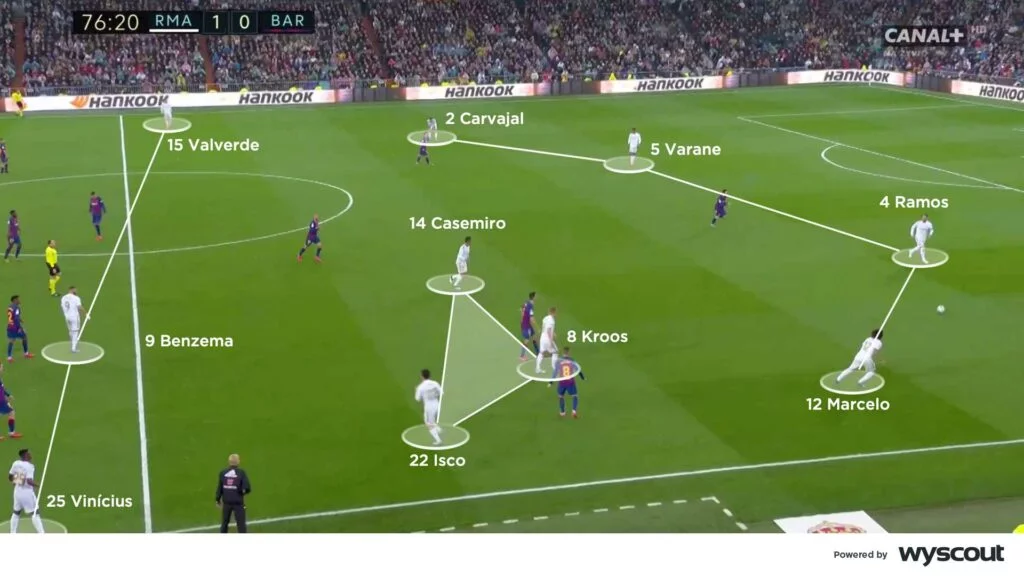
Football tactics and strategy are at the heart of every successful team, influencing how players move, interact, and execute during matches. Understanding these concepts allows coaches, analysts, and fans to appreciate the intricacies of the game beyond goals and results. Teams that master tactical planning can outperform technically superior opponents by maximizing efficiency, space, and timing.
Modern football emphasizes both defensive organization and attacking creativity. Coaches implement strategies tailored to opponent strengths, match context, and available player skill sets, making tactical awareness essential for consistent success.
Why Football Tactics and Strategy Matter
The importance of football tactics and strategy cannot be overstated. While individual talent is valuable, team cohesion and execution of planned strategies often decide match outcomes. Tactics dictate formations, player roles, pressing styles, and transition approaches, allowing teams to control possession and exploit weaknesses.
Strategic planning also enables teams to adapt dynamically during games. In-play adjustments, such as formation shifts or player repositioning, can neutralize threats and create scoring opportunities, emphasizing the significance of strategy in high-level football.
Key formations and playing styles
Formations form the backbone of football tactics and strategy, dictating player positioning and team shape. Popular formations include 4-3-3, 4-2-3-1, and 3-5-2, each offering distinct advantages in attack and defense. Teams choose formations based on squad strengths, opposition weaknesses, and desired match tempo.
Playing styles, such as possession-based football, counter-attacking, and high pressing, complement formations. Understanding the interaction between formations and styles helps managers optimize performance and exploit tactical mismatches effectively.
Player roles and responsibilities
In football tactics and strategy, each player has defined responsibilities that contribute to team balance. Defenders focus on marking, intercepting, and initiating plays; midfielders manage transitions, control tempo, and support both attack and defense; forwards create scoring opportunities and apply pressure on opposition defenses.
Understanding these roles allows teams to execute coordinated movements, maintain defensive solidity, and create attacking patterns that maximize goal-scoring potential.
Match preparation and opponent analysis
Effective football tactics and strategy involve thorough opponent analysis. Teams study upcoming adversaries’ playing style, key players, and tactical tendencies to formulate game plans. Video analysis and statistical metrics help identify exploitable weaknesses and areas requiring caution.
Pre-match preparation ensures that players are familiar with expected patterns, set-piece routines, and defensive adjustments, enabling cohesive execution and strategic flexibility during games.
Key tactical metrics and performance indicators
The following table highlights important metrics used in football tactics and strategy to evaluate team and player performance:
| Metric | Description | Importance |
|---|---|---|
| Possession % | Time a team controls the ball | Dictates tempo and attacking opportunities |
| Pass Accuracy | Success rate of passes | Ensures ball retention and fluid movement |
| Expected Goals (xG) | Likelihood of scoring based on shot quality | Measures offensive effectiveness |
| Tackles & Interceptions | Defensive actions to regain possession | Reflects defensive strength and pressure |
| Pressing Efficiency | Success rate of regaining the ball high up pitch | Evaluates high-press tactics and disruption |
| Goal Conversion Rate | Goals scored per chance | Highlights attacking efficiency |
This table provides a snapshot of how tactical and strategic data informs decision-making on the pitch, guiding managers to optimize team performance.
Attacking tactics and offensive strategies
Attacking tactics are central to football tactics and strategy, focusing on creating scoring opportunities and destabilizing opposition defenses. Approaches such as overlapping full-backs, through balls, and intricate midfield rotations enhance attacking efficiency.
Teams must balance attacking ambition with defensive responsibility, ensuring that offensive strategies do not leave gaps that opponents can exploit. Flexibility in attack, including switching flanks and quick transitions, often differentiates elite teams from average performers.
Defensive organization and pressing styles
Defensive aspects are equally critical in football tactics and strategy. Strategies like zonal marking, man-to-man marking, and compact defensive blocks reduce opponent chances and protect goalkeepers. Pressing styles, including high press and counter-press, disrupt opponent build-up and create turnover opportunities.
Effective defensive planning demands communication, coordination, and anticipation, allowing teams to maintain shape while transitioning between defensive and offensive phases.
Set pieces and situational strategies
Set pieces, including corners, free kicks, and throw-ins, are vital components of football tactics and strategy. Teams develop routines to exploit these opportunities while defending against them. Analysis of opponent weaknesses in set-piece situations provides strategic advantages, often turning tight matches in favor of the well-prepared team.
Situational strategies, such as protecting a lead or chasing a goal, require tactical adjustments in formation and tempo, demonstrating the adaptability inherent in effective strategy.
Player rotation and squad management
Successful football tactics and strategy include player rotation to maintain fitness, reduce injury risk, and optimize performance. Managing squad depth allows teams to sustain high-intensity styles over long seasons and across multiple competitions.
Strategic rotation ensures that key players remain available for critical fixtures while giving opportunities to emerging talent, contributing to long-term success.
Analytics, technology, and data-driven insights
Modern teams increasingly rely on technology to enhance football tactics and strategy. Video analysis, GPS tracking, and advanced metrics like expected assists (xA) and pressing efficiency help quantify performance and refine game plans.
Data-driven insights allow coaches to make objective decisions, identify trends, and implement precise tactical instructions, elevating team performance to elite levels.
Examples of tactical evolution
Historically, football tactics have evolved from rigid formations to fluid systems emphasizing versatility and positional interchange. Legendary coaches and teams demonstrate how football tactics and strategy adapt to changing player skill sets and opponent trends.
Studying these examples provides fans, analysts, and aspiring managers with valuable lessons on innovation, adaptability, and creative problem-solving on the pitch.
Read also:
mohun bagan super giant vs east bengal fc lineups
hyderabad fc vs bengaluru fc lineups
hyderabad fc vs jamshedpur fc lineups
northeast united fc vs jamshedpur fc lineups