

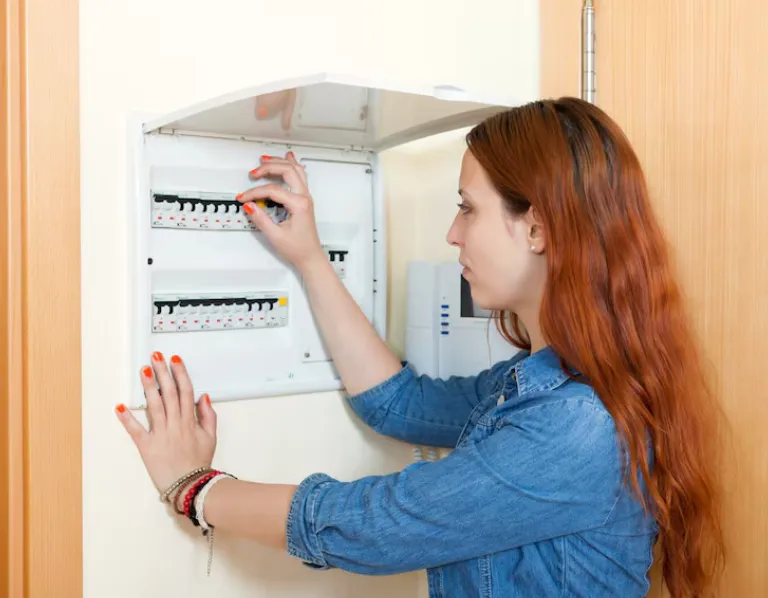

An electrical panel distributes power across the circuits in a home, so its condition and capacity matter whenever household electrical demand changes. Renovations, electric heating, larger appliances, home offices, and EV charging can all place additional demand on the system. Homeowners considering Residential Electrical Panel Replacement should base the decision on the panel’s condition, available capacity, and future needs rather than age alone. A proper assessment can show whether replacement is necessary or whether the existing panel can continue to serve the property.
Review Current Electrical Demand
Modern households use far more electrical equipment than many older homes were designed to support. Kitchens may contain several high-demand appliances, while heating systems, computers, entertainment equipment, and charging devices add further load.
Before replacing a panel, it is important to understand how much electricity the household currently uses and what new equipment may be added. A load assessment can help determine whether the existing system has enough capacity for planned changes. This is particularly useful before a major renovation, basement conversion, or EV charger installation.
Check Available Breaker Space
A panel can still operate normally while having little space for additional circuits. This may become an issue when homeowners want to add lighting, heating, kitchen equipment, or dedicated circuits for new appliances.
Limited breaker space does not automatically mean that the panel needs to be replaced. The overall arrangement of the circuits and the expected electrical load should be considered together. Planning is valuable because electrical needs can continue to grow after a renovation is finished.
Pay Attention to Repeated Problems
Recurring electrical issues deserve investigation. Breakers that trip frequently, lights that flicker, or circuits that appear overloaded may indicate that part of the system needs attention.
These signs do not prove that the panel itself is faulty. The cause could involve wiring, individual circuits, appliances, or connections elsewhere in the system. Rather than repeatedly resetting a breaker or relying on temporary fixes, homeowners should have the underlying cause checked.
Assess the Panel During Renovations
A renovation is often a practical time to review the electrical panel because several circuits may be changed or added at once. A kitchen remodel, home extension, or finished basement can substantially alter the property’s electrical requirements.
For homeowners arranging an Electrical Installation Service Longueuil, checking the panel before walls are closed and new finishes are installed can make the wider project easier to coordinate. If changes are needed, they can be planned alongside new outlets, lighting, heating, and other electrical work instead of being treated as a separate job later.
Think About Future Equipment
Electrical planning should also consider likely future changes. A homeowner may eventually add an EV charger, heat pump, electric water heater, workshop equipment, or other high-demand devices.
It is not necessary to replace a panel simply because one of these additions might happen someday. However, discussing realistic future needs during an assessment can prevent short-term decisions that leave little flexibility. A system that only just meets current demand may become restrictive when another major electrical load is added.
Do Not Decide Based on Age Alone
Older equipment should be inspected carefully, but age alone is not enough to determine whether replacement is required. Some older panels may continue to meet the needs of the property, while a newer panel can still require attention because of damage, unsuitable capacity, or changes in household demand.
Condition, available capacity, breaker arrangement, and the wider electrical system should all be reviewed together. This avoids unnecessary replacement while also reducing the chance of overlooking a genuine limitation.
Coordinate Panel Work with Other Upgrades
If replacement is recommended, it makes sense to consider other planned electrical changes at the same time. New circuits, lighting, heating, appliance upgrades, and EV charging can all influence the final panel configuration.
Coordinating the work can create a more organised system and reduce the likelihood of making further major changes soon afterwards. Keeping records of significant electrical upgrades can also be useful when future renovations or equipment installations are planned.
Conclusion
An electrical panel should support both the current demands of a home and reasonable future changes. Frequent breaker problems, limited circuit space, major renovations, and new high-demand equipment are all reasons to have the system assessed.
Replacement should not be treated as an automatic response to an older panel. The better approach is to review capacity, condition, circuit requirements, and planned upgrades together. For homeowners in Longueuil and surrounding areas, considering these factors before a renovation can make electrical improvements easier to coordinate and better suited to the way the home is used.