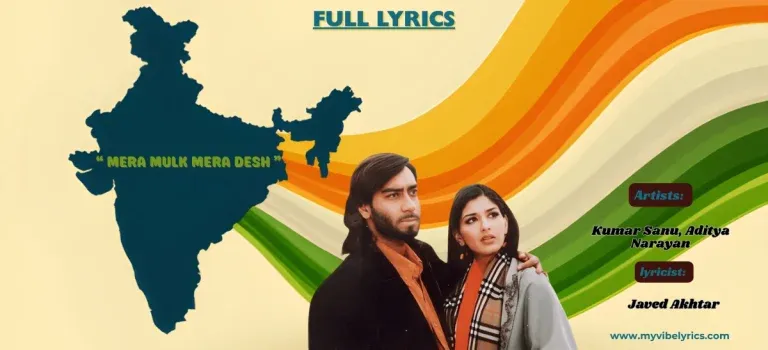
Desh Bhakti songs bring together music, emotion, history, and feelings of belonging in a way that few other categories can match. Readers visiting myvibelyrics.com can explore useful information about patriotic songs, their meanings, themes, cultural importance, and the occasions where these songs are commonly heard. Some compositions create a powerful sense of energy, while others feel calm, emotional, and deeply reflective. The musical style may change from one generation to another, but the basic feeling of respect and connection with the country continues to remain important.
Patriotic music can be heard almost everywhere during national celebrations, including schools, colleges, offices, community programs, television shows, cultural events, and public gatherings. Many people also listen to these songs privately because certain melodies remind them of childhood memories, national celebrations, family traditions, or important moments from Indian history.
What Desh Bhakti Means
The phrase Desh Bhakti broadly refers to love, respect, affection, and dedication toward one’s country and its people. In music, these ideas can be expressed through lyrics, melodies, performances, arrangements, and cultural references.
Different patriotic songs communicate these feelings differently because every songwriter and composer brings their own creative perspective. One song might celebrate India’s beauty, another may remember sacrifice, while another may focus on unity among people from different communities and regions.
This makes patriotic music much broader than a collection of songs played during national holidays. It represents many forms of artistic expression connected with Indian identity and shared cultural experiences.
Why Patriotic Music Matters
Music has always played an important role in preserving memories and expressing emotions that are sometimes difficult to communicate through ordinary conversation. Patriotic songs can remind listeners about historical struggles, national achievements, social responsibilities, and the importance of staying connected.
For younger listeners, these songs can become an early introduction to national celebrations and cultural traditions. Children often hear patriotic music during school assemblies, Independence Day programs, Republic Day functions, and classroom activities.
Older listeners may connect the same songs with completely different experiences. A familiar melody can bring back memories of school performances, public ceremonies, family gatherings, or important events watched on television.
Themes Found In Patriotic Songs
Indian patriotic songs cover a surprisingly wide range of themes that go beyond simple expressions of national pride. Freedom, courage, sacrifice, unity, peace, responsibility, cultural diversity, and respect for the country appear frequently across different compositions.
Songs about soldiers often focus on courage, duty, service, and the challenges faced while protecting the nation. These compositions may create a serious emotional atmosphere because they remind listeners about the sacrifices associated with military service.
Other songs may focus on ordinary citizens and the idea that national development depends on people working together. Such songs can emphasize unity despite differences in language, region, tradition, or background.
Music During Independence Day
Independence Day is one of the most recognizable occasions for patriotic music throughout India. Schools, government institutions, residential communities, offices, cultural organizations, and public groups commonly organize special programs around the celebration.
Music may be included during flag-hoisting ceremonies, cultural performances, competitions, stage programs, and community gatherings. Children often participate in group performances because patriotic songs can be adapted for different age groups and musical abilities.
The occasion also provides an opportunity for people to explore songs connected with India’s independence movement and the broader history surrounding the country’s freedom.
Republic Day Celebrations
Republic Day also creates a strong demand for patriotic music because the occasion is connected with India’s Constitution, democratic identity, national institutions, and public celebrations.
Schools and colleges may organize cultural programs where students perform patriotic songs individually or in groups. Offices and community organizations can also include musical performances as part of their Republic Day activities.
The selection of music can depend on the purpose of the event. Some organizers may prefer energetic compositions, while others may choose songs with more reflective themes connected with national values.
Role Of Patriotic Songs In Schools
Schools are often among the first places where children experience Indian patriotic music regularly. Group singing allows students to participate together while becoming familiar with national celebrations and cultural traditions.
Teachers can select songs according to the age, confidence, pronunciation, and musical abilities of students. Younger children may need simpler compositions, while older students can handle more demanding performances.
These activities can also encourage teamwork because group performances require students to listen carefully, maintain timing, and support one another during the presentation.
Understanding Song Meanings
Reading about the meaning of a patriotic song can make the listening experience more interesting and informative. Some compositions contain historical references, poetic expressions, cultural symbols, geographical descriptions, or references to important national ideas.
A listener who understands these elements may notice details that were not obvious during the first few hearings. Certain phrases can carry cultural or historical meanings that become clearer with additional context.
At the same time, songs should not automatically be treated as complete historical documents. Artistic writing can simplify, symbolize, or emotionally interpret events, so factual historical information should be checked through reliable sources separately.
Emotions Behind Patriotic Music
Emotion is one of the main reasons patriotic songs continue to remain popular across generations. Music can create feelings of pride, respect, nostalgia, hope, courage, and connection without requiring a lengthy explanation.
The emotional response can depend heavily on the listener’s own memories and experiences. A song performed during childhood may create a completely different feeling years later because the listener now connects it with additional memories.
Musical arrangement also influences the experience. Strong percussion and large arrangements can create energy, while slower melodies may encourage reflection and quiet attention.
Patriotic Songs In Indian Films
Indian cinema has contributed significantly to the popularity of patriotic music. Film songs can reach large audiences because music is combined with characters, visual storytelling, dramatic situations, and memorable scenes.
A patriotic composition appearing during an important movie sequence can become strongly associated with that particular film. Sometimes the song becomes popular well beyond the original movie because listeners connect with its theme or musical quality.
Films have also helped younger audiences discover older patriotic compositions through television broadcasts, streaming platforms, online discussions, and family recommendations.
Traditional Musical Influences
Indian patriotic music does not follow one particular musical tradition because composers have drawn inspiration from many different styles throughout the years. Classical influences, folk traditions, regional instruments, orchestral arrangements, and modern production methods can all appear.
Regional musical influences are especially interesting because they demonstrate how national themes can be expressed through different cultural sounds.
A listener exploring patriotic music from different parts of India may encounter different languages, rhythms, instruments, and vocal approaches while still recognizing similar themes of unity and national pride.
Modern Patriotic Music
Newer patriotic compositions can use contemporary sounds while maintaining familiar themes. Modern instruments, digital production, different vocal techniques, and newer songwriting styles have changed the way patriotic music can be presented.
This evolution helps younger audiences discover the category through formats they already enjoy. Music videos, streaming services, social media platforms, live performances, and independent releases have created additional ways for patriotic music to reach listeners.
Modern production does not necessarily replace traditional music because both forms can exist alongside each other and appeal to different audiences.
Regional Languages Add Variety
India’s linguistic diversity is clearly reflected in patriotic music because national themes can be expressed through many Indian languages. Hindi is widely recognized, but patriotic compositions also exist across numerous regional languages and musical traditions.
Exploring regional songs can introduce listeners to cultural references and musical styles they may not have encountered previously.
This variety is important because Indian national identity includes many regional traditions. Patriotic music can therefore provide a useful way to appreciate cultural diversity while still focusing on shared national themes.
Choosing Songs For Events
Choosing patriotic music for an event should involve more thought than simply selecting the most famous composition available. Organizers should consider the audience, performers, venue, event duration, musical equipment, and intended atmosphere.
A school function may require a song that children can perform comfortably, while a professional cultural event may allow more complex arrangements and experienced performers.
The meaning of the song should also match the occasion. A solemn commemorative event may require a different musical mood than a lively community celebration.
Learning Through Music
Patriotic music can encourage people to become curious about Indian history, culture, geography, and national traditions. A listener may hear a reference in a song and become interested in learning more about the subject.
This makes music a useful starting point for broader educational exploration. Teachers can use songs as discussion topics, while students can investigate the historical or cultural ideas connected with particular compositions.
Music should not replace formal historical learning, but it can make certain subjects feel more accessible and memorable.
Respecting Songwriter Rights
Patriotic themes do not automatically remove copyright protection from musical works. Modern lyrics, recordings, arrangements, and other creative material may remain protected under applicable copyright laws.
Websites publishing information about songs should therefore be careful about reproducing copyrighted lyrics or recordings without proper rights.
Readers can still receive useful information through song descriptions, themes, meanings, artist information, cultural background, and other original explanatory content that helps them discover music responsibly.
Finding Songs For Different Moods
Not every patriotic song creates the same emotional atmosphere, so listeners can choose music according to the mood or occasion they have in mind. Energetic compositions may suit celebrations, stage performances, and group activities.
Softer songs can work better for reflective moments, cultural presentations, or quiet personal listening. Emotional compositions may appeal to listeners who connect strongly with themes involving sacrifice, memories, or national history.
Understanding these differences can help people choose songs more thoughtfully instead of treating every patriotic composition as interchangeable.
Keeping Old Songs Relevant
Older patriotic songs continue to survive because new listeners discover them through different channels. School performances, family traditions, films, television programs, digital platforms, and modern covers can all introduce classic compositions to younger audiences.
New arrangements may give an older song a different sound without removing the qualities that made it memorable originally.
Preserving older music does not mean refusing new styles. Both can exist together, allowing audiences to appreciate historical compositions while also discovering contemporary patriotic work.
The Importance Of Cultural Context
A patriotic song often becomes easier to understand when listeners know something about the cultural environment in which it was created. Historical periods, social conditions, musical traditions, and public events can influence the way songs are written and received.
Context can explain why certain words, themes, or musical arrangements became meaningful to audiences at a particular time.
Learning this background does not reduce the emotional value of a song. Instead, it can provide another layer of understanding for listeners who want to explore the music more deeply.
Making Music More Accessible
A useful patriotic music resource should make information easy for different types of readers to understand. Students may want simple explanations, while music enthusiasts may prefer more detailed background about artists and compositions.
Clear headings, readable language, accurate information, and practical context can make a music page more useful for everyone.
People searching for patriotic songs may also be interested in meanings, occasions, artists, genres, historical connections, and cultural significance rather than lyrics alone.
Conclusion
Desh Bhakti and patriotic songs remain an important part of Indian musical culture because they combine emotional expression with ideas about national identity, courage, freedom, unity, sacrifice, and cultural belonging. These songs can be heard during national celebrations, school programs, films, cultural events, public gatherings, and personal listening.
Their importance does not come from one particular musical style because patriotic music has developed through many languages, genres, generations, and creative approaches. Traditional compositions continue to carry historical and emotional value, while modern artists keep finding new ways to present similar themes.
Exploring the meaning and background of patriotic songs can make the listening experience more valuable. It can also encourage curiosity about India’s history, cultural diversity, regional traditions, and musical development.
For more Desh Bhakti song information, patriotic music resources, song meanings, cultural insights, and useful lyrics-related content, continue exploring myvibelyrics.com and discover informative content that brings Indian music, culture, and patriotic themes closer to every generation.
Read also :-
pritam chakraborty tu hi haqeeqat
janam janam ki khoj bataye lyrics