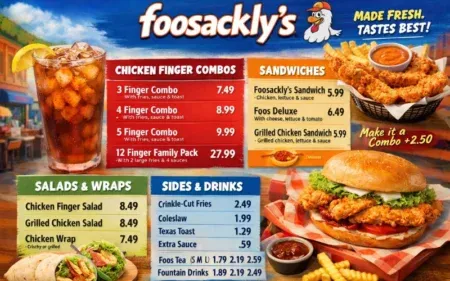
A family restaurant menu needs to offer choices for different ages, appetites, and dining preferences. Parents may look for familiar meals, children often prefer simple flavors, and adults might want something more adventurous. For bestmenuideas.com, family menu planning can focus on making these choices convenient without creating unnecessary complexity for restaurant staff. A successful menu does not need dozens of dishes to satisfy everyone at the table. It needs a sensible mix of familiar favorites, lighter meals, shareable options, and a few distinctive choices. Portion sizes, clear descriptions, reasonable prices, and preparation time all influence how well the menu works during everyday service.
Understand Family Dining Habits
Families often choose restaurants where everyone can find something suitable without spending too much time deciding. Some groups visit for weekend lunches, while others need quick dinners after school, work, or other daily commitments. These different occasions can influence which dishes deserve space on the menu. Familiar options such as pasta, rice dishes, grilled chicken, vegetable meals, and sandwiches may provide a useful foundation. However, the restaurant should consider its cuisine and local customer preferences before selecting specific items. Asking customers about their favorite meals can reveal useful patterns that sales records alone might miss. Understanding family dining habits helps restaurant owners build a menu that feels welcoming while remaining practical for the kitchen.
Include Choices For Children
Children often appreciate meals with recognizable ingredients, manageable portions, and flavors that are not overly complicated. A restaurant might offer smaller pasta servings, simple rice dishes, grilled sandwiches, or familiar vegetable sides. The exact selection should reflect the restaurant’s cooking style rather than copying a standard children’s menu without consideration. Smaller portions can reduce food waste when younger diners cannot finish adult-sized meals. Descriptions should clearly explain what comes with each dish, including sauces, sides, and optional additions. Parents also value reliable ingredient information, especially when children have allergies or dietary restrictions. Avoid making unsupported promises about food being suitable for every child. A thoughtful children’s section gives families useful choices while helping staff handle orders more consistently during busy periods.
Balance Familiar And New Dishes
A family restaurant can serve familiar favorites while still offering dishes that introduce customers to different ingredients and flavors. Classic meals may encourage repeat visits, while a few distinctive options give returning guests something new to try. For example, a restaurant could offer a familiar grilled meal alongside a regional rice dish or a seasonal vegetable special. New items should fit the kitchen’s equipment, staff skills, and available ingredients. Adding complicated dishes simply to increase variety can slow service and create more waste. Review the complete menu to make sure several items do not serve almost identical purposes. A balanced selection helps different family members choose comfortably without making the kitchen manage an unnecessarily large range of recipes.
Offer Meals For Sharing
Shared dishes can make family dining more convenient because everyone can sample different foods from the same order. Platters, mixed starters, bread baskets, and larger side dishes may work well when customers visit in groups. However, the menu should clearly state whether an item is intended for one person or several diners. Serving size descriptions help families estimate how much food they need before ordering. Restaurants should also calculate ingredient costs carefully because generous sharing portions can become expensive when prepared inconsistently. Consider whether the dishes can be served together at a suitable temperature and whether the kitchen can prepare them efficiently. Sharing options should simplify the meal rather than introduce confusion about portions, pricing, or additional charges.
Keep Portions And Prices Clear
Families often consider the total cost of a meal rather than looking at each dish separately. A menu should make prices easy to locate and explain the portion size wherever customers might reasonably need clarification. Smaller servings, combination meals, and shareable sides can provide flexibility for groups with different budgets and appetites. Restaurant owners should calculate ingredient costs and preparation expenses before introducing special family offers. A package price may look attractive but still create financial problems if the included dishes cost too much to prepare. Optional extras should also have clearly displayed prices. Consistent serving sizes help customers understand what they are paying for and prevent unexpected differences between visits. Transparent pricing builds confidence and makes group ordering easier.
Provide Flexible Dietary Options
Families may include people with different dietary needs, so the menu should provide clear and accurate information about ingredients. Vegetarian meals, vegetable sides, and dishes that can be adjusted without major changes may offer useful flexibility. Restaurants should only label a meal vegan, vegetarian, or allergen-friendly when its ingredients and preparation methods support that claim. Shared kitchen equipment can create cross-contact concerns for some allergens, so staff should know how to answer questions accurately. Avoid assuming that removing one ingredient automatically makes a dish suitable for every dietary requirement. Clear explanations help customers choose appropriate meals and reduce repeated questions during service. Flexibility is valuable, but it must remain realistic for the kitchen and consistent with safe food-handling practices.
Make Ordering Convenient
Family meals can become stressful when ordering takes too long or customers struggle to understand the menu. Clear categories such as starters, main dishes, sides, drinks, and desserts help people find options quickly. Descriptions should explain important ingredients without filling the page with unnecessary details. Combination meals can simplify decisions, especially when they include familiar pairings at a clearly stated price. Staff should understand the menu well enough to explain portion sizes, preparation times, and available substitutions. Online menus should provide the same current information as printed versions, including prices and ingredient changes. Convenience also depends on kitchen workflow, because a menu that is easy to read may still create delays if every order requires complicated preparation. Good planning supports both customers and restaurant employees.
Review Performance And Feedback
A family menu should change when customer needs, ingredient costs, or sales patterns provide a clear reason for improvement. Restaurant owners can review which dishes sell consistently, which items generate frequent questions, and which recipes create excessive preparation work. Feedback from parents and other guests may identify missing options or confusing descriptions. However, one negative comment does not necessarily mean a popular dish should be removed. Compare feedback with sales information and observe performance over a reasonable period. Seasonal specials can test new ideas without requiring permanent menu changes immediately. Staff observations also matter because kitchen teams often notice which dishes create delays or waste. Regular review keeps the menu relevant while preserving the familiar meals that customers already appreciate.
Conclusion
A family restaurant menu works best when it combines familiar favorites, flexible portions, clear pricing, and useful options for different dining needs. Restaurant owners should consider children, adults, shared meals, dietary requirements, and kitchen capacity before expanding the selection. Ideas from bestmenuideas.com can support practical menu planning and inspire useful ways to organize restaurant choices. Begin with dependable dishes, test new additions carefully, and make sure descriptions match the meals customers actually receive. Review feedback and sales patterns before changing established favorites. A welcoming family menu does not need to please every person with endless options. It needs to help families order comfortably, enjoy their meals, and feel confident about returning.
Read also :-