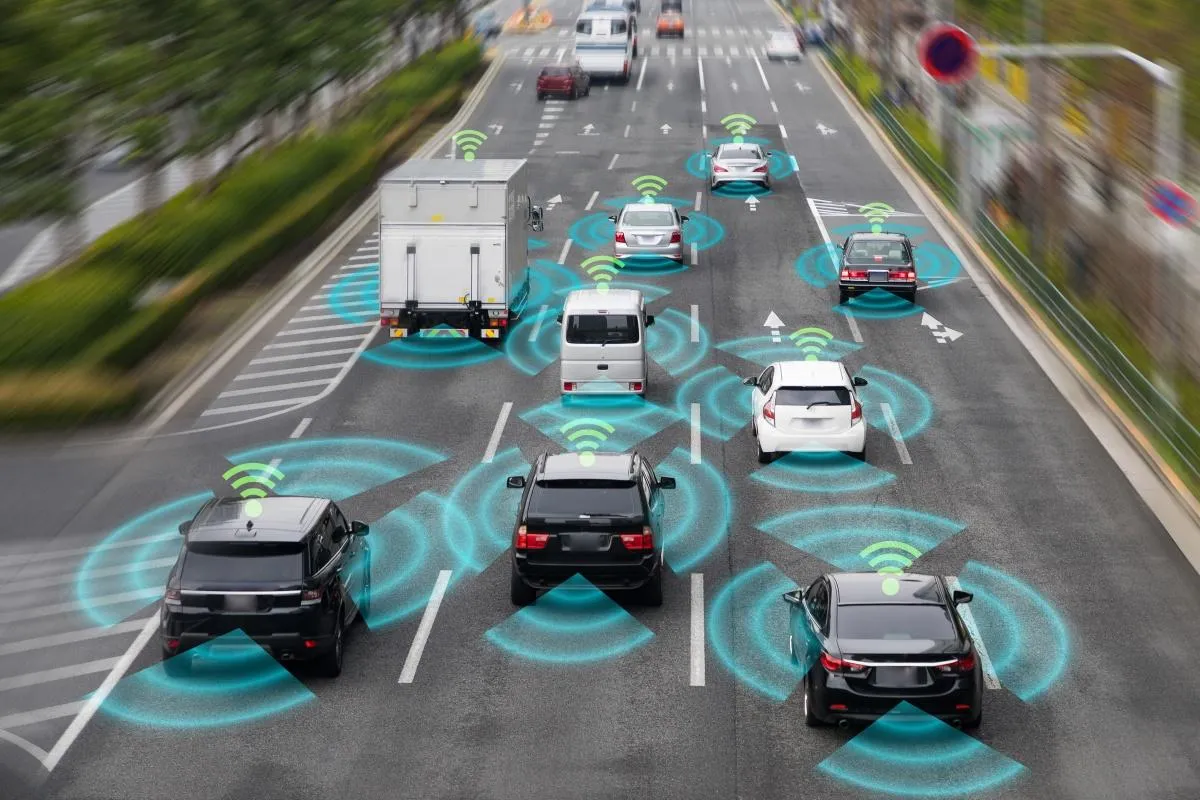
City traffic navigation starts the moment a driver enters a crowded street where lanes merge unexpectedly, signals change quickly, and every decision seems to matter. Unlike highways, city roads demand constant adjustment. Buses stop suddenly, pedestrians cross without warning, and two-wheelers appear from narrow gaps. Navigating this environment is not about speed; it’s about awareness, timing, and patience.
For many people, city driving is part of daily life. Commutes, school runs, errands, and deliveries all happen within dense urban networks. Over time, drivers develop instincts, but without the right mindset, stress and mistakes can quickly take over. Understanding how city traffic works is the foundation of safer and smoother movement.
Table of Contents
ToggleWhy Urban Traffic Feels So Overwhelming
Cities are built around people, not just vehicles. Roads are shared by cars, bikes, buses, pedestrians, and vendors. This mix creates unpredictability. Signals may be close together, lanes may disappear without warning, and traffic rules are often interpreted differently by each road user.
Congestion adds emotional pressure. Drivers feel rushed, frustrated, and tempted to take risks. Honking, sudden braking, and aggressive lane changes become common. These behaviors don’t save time; they increase confusion.
Recognizing the human and structural complexity of cities helps drivers adapt rather than react.
The Mental Shift Required for City Driving
Urban driving requires a different mindset than open-road travel. Instead of focusing on speed, drivers must prioritize positioning and anticipation. Progress often comes from choosing the right lane early rather than accelerating later.
Patience plays a critical role. Accepting that delays are part of city life reduces stress. Calm drivers make better decisions, notice hazards earlier, and interact more predictably with others.
This mental shift transforms daily commutes from battles into manageable routines.
Planning Ahead Before Entering Traffic
Good navigation often begins before the engine starts. Knowing peak hours, common bottlenecks, and alternative routes saves time and frustration. Even familiar routes change due to construction, weather, or events.
Navigation apps help, but they are tools, not solutions. Drivers who understand local patterns can judge when to follow an app and when to rely on experience.
Preparation reduces surprises and builds confidence.
City traffic navigation and Situational Awareness
Situational awareness is the most valuable skill in urban driving. It means constantly scanning surroundings, predicting movements, and adjusting smoothly. Mirrors, blind spots, and intersections all demand attention.
Awareness also includes reading subtle cues. A pedestrian stepping closer to the curb or a bus signaling a stop can indicate upcoming changes. Drivers who notice early react calmly rather than suddenly.
This proactive approach reduces near-misses and improves flow.
Real-Life Story from a Daily Commuter
A software professional commuting through a busy downtown once shared how small adjustments changed everything. Instead of chasing gaps, they focused on lane discipline and timing signals.
By leaving five minutes earlier and choosing slightly longer but steadier routes, stress dropped significantly. Fuel consumption improved, and arrival times became more predictable.
This experience highlights how smarter navigation beats aggressive driving every time.
Lane Discipline in Congested Streets
City lanes often feel optional, but discipline matters more than it seems. Staying within lanes helps others predict movement. Frequent weaving creates confusion and slows overall traffic.
Choosing the correct lane early, especially near turns and junctions, prevents last-minute cuts. Clear signaling builds trust among road users.
Predictability is a powerful safety tool in crowded environments.
Pedestrians and Non-Motorized Road Users
Cities belong to people on foot as much as to vehicles. Pedestrians, cyclists, and vendors are constant factors in traffic flow. Respecting their presence reduces accidents and tension.
Slowing near crossings, markets, and schools shows responsibility. Eye contact and clear signaling help communicate intentions.
Human-centered driving reflects real urban expertise.
City traffic navigation with Technology Support
Modern technology has reshaped how drivers move through cities. Live traffic updates, rerouting suggestions, and voice guidance reduce cognitive load. However, blind reliance can be risky.
Apps may suggest narrow lanes or unfamiliar shortcuts. Drivers must evaluate conditions in real time. Technology works best when paired with local knowledge and judgment.
Used wisely, digital tools enhance efficiency without replacing awareness.
Managing Intersections and Signals
Intersections are the most complex parts of city driving. Multiple flows converge, and timing matters. Anticipating signal changes helps avoid sudden stops or rushed movements.
Watching pedestrian signals and cross traffic provides clues about upcoming light changes. Smooth deceleration keeps traffic flowing and reduces rear-end collisions.
Mastering intersections builds confidence and control.
Handling Stop-and-Go Traffic Calmly
Stop-and-go movement tests patience. Constant braking and accelerating increase fatigue and wear on the vehicle. Maintaining a steady gap and rolling gently reduces strain.
This approach also discourages aggressive behavior from others. Calm spacing creates small pockets of order within chaos.
Smooth driving saves energy, fuel, and nerves.
Parking and Roadside Activity
Urban roads are rarely clear. Parked vehicles, delivery vans, and roadside vendors narrow lanes unexpectedly. Drivers must anticipate sudden openings or closures.
Slowing near parked cars reduces risk of doors opening or pedestrians stepping out. Awareness of curb activity prevents surprises.
Respecting these realities keeps movement steady and safe.
City traffic navigation and Emotional Control
Emotions strongly influence urban driving. Anger, impatience, and anxiety cloud judgment. Recognizing emotional triggers helps drivers regain control.
Simple habits like controlled breathing or calm music can reduce tension. Letting go of minor delays prevents escalation.
Emotional intelligence is an underrated driving skill.
Weather and City Traffic Challenges
Rain, fog, and heat affect urban traffic more intensely than highways. Slippery roads, reduced visibility, and slower reactions increase congestion.
Adjusting speed, increasing distance, and allowing extra time become essential. Drivers who adapt early avoid panic later.
Weather awareness is part of responsible navigation.
Learning the Rhythm of a City
Every city has a rhythm. Morning rush differs from evening flow. Certain streets clog at predictable times. Experienced drivers sense these patterns intuitively.
Learning this rhythm takes observation and patience. Over time, navigation becomes smoother because expectations align with reality.
Local experience builds authority behind the wheel.
Public Transport and Shared Roads
Buses, trams, and auto-rickshaws follow different rules and rhythms. Understanding their behavior helps drivers anticipate stops and lane changes.
Giving space to public transport improves overall flow. Cities function better when each mode respects the other.
Coexistence reduces conflict and delays.
City traffic navigation for New Drivers
New drivers often feel overwhelmed in cities. Everything seems to happen at once. Gradual exposure builds confidence.
Starting with quieter routes, driving during off-peak hours, and practicing observation helps develop skills safely. Experience grows step by step.
Supportive learning environments matter.
Safety Over Shortcuts
Shortcuts may look tempting but often lead to narrower roads, more pedestrians, and unpredictable obstacles. Saving a minute is rarely worth increased risk.
Choosing main roads with steady flow usually results in similar arrival times with less stress. Safety-focused decisions pay off consistently.
Smart navigation values reliability over impulse.
Communication Through Driving Behavior
Driving is a form of communication. Signals, positioning, and speed convey intentions. Clear communication reduces misunderstandings.
Early indicators, gentle movements, and predictable actions build trust. Other drivers respond positively to clarity.
Urban traffic improves when communication improves.
Experience, Expertise, Authority, and Trust on City Roads
Experience comes from time spent navigating real streets. Expertise develops through understanding patterns and human behavior. Authority shows in calm, consistent decisions. Trust is earned when actions are predictable and respectful.
Drivers who embody these qualities contribute positively to urban mobility. Their presence makes roads safer for everyone.
EEAT is lived daily behind the wheel.
Adapting to Changing Urban Infrastructure
Cities evolve constantly. New flyovers, one-way systems, and pedestrian zones appear regularly. Staying informed prevents confusion.
Following local updates and observing new signage helps drivers adjust quickly. Flexibility is key in dynamic environments.
Adaptation reflects professionalism in everyday driving.
The Role of Patience in Urban Efficiency
Ironically, patience often saves time. Calm drivers avoid unnecessary stops, conflicts, and detours. Stress-driven decisions usually backfire.
Accepting delays as part of city life changes perspective. The journey becomes manageable rather than exhausting.
Patience is not weakness; it’s strategic.
City traffic navigation as a Life Skill
Navigating city traffic is more than a driving skill. It’s a life skill that combines awareness, empathy, and decision-making. These qualities extend beyond the road.
Drivers who master urban navigation feel more in control, less stressed, and more confident. Their journeys become smoother even when traffic is heavy.
In today’s growing cities, City traffic navigation defines how comfortably and safely people move through daily life, shaping not just commutes but overall well-being on the road.
Read also :-