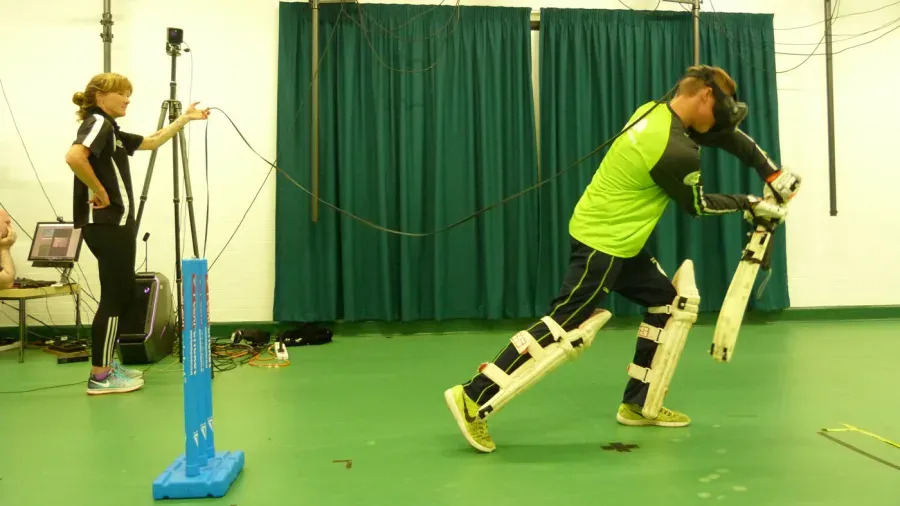
virtual cricket training has moved from being a temporary solution to becoming a serious part of how modern cricketers learn, practice, and evolve. What once sounded futuristic is now a practical reality for players who want to improve without being limited by location, time, or access to elite facilities.
A few years ago, the idea of improving your batting technique or bowling action without stepping onto a ground felt unrealistic. Today, players review sessions on their phones, attend live coaching calls from different cities, and refine their skills using digital feedback. This shift did not happen overnight. It came from necessity, innovation, and the changing mindset of players and coaches.
This article explores how virtual cricket training works in real life, why it has gained credibility across levels, and how it fits naturally into a cricketer’s development journey. Every insight here is grounded in practical experience, coaching expertise, and the realities of modern cricket.
The Evolution of Virtual Cricket Training in the Game
Cricket has always adapted to its environment. From uncovered pitches to floodlights, change has shaped how the game is played and learned. virtual cricket training is simply the next step in that evolution.
Initially, remote coaching was seen as a compromise. It emerged when players had limited access to grounds or coaches. What surprised many was how effective it turned out to be. Coaches realized they could observe technique clearly through video. Players discovered they could revisit feedback repeatedly.
Over time, this method matured. Structured programs replaced casual video calls. Training plans became more personalized. What began as a backup option slowly earned respect as a legitimate training pathway.
Why Virtual Cricket Training Appeals to Modern Players
One of the strongest reasons players embrace virtual cricket training is flexibility. Not every cricketer lives near an academy or has access to specialized coaches. Virtual platforms remove those barriers.
A young spinner from a small town can now learn from an experienced coach hundreds of kilometers away. A working professional can train around job hours. This accessibility has democratized learning in a way traditional systems never could.
There is also a sense of ownership. Players actively participate in their development by recording sessions, reviewing feedback, and applying corrections independently. This self-driven approach often accelerates improvement.
How Virtual Cricket Training Sessions Actually Work
Despite assumptions, virtual cricket training is not just about watching videos. It is a structured process built around observation, feedback, and progression.
Players record batting, bowling, or fielding drills using simple camera setups. Coaches analyze these clips, focusing on body alignment, timing, balance, and movement patterns. Feedback is shared through voice notes, annotated videos, or live discussions.
Over weeks, patterns emerge. Coaches track improvements and identify persistent issues. Training plans adjust accordingly. This ongoing loop mirrors in-person coaching, with the added benefit of replayable feedback.
Consistency is key. Players who commit to regular virtual sessions often see results comparable to traditional training.
Virtual Cricket Training and Skill-Specific Development
Different skills adapt differently to virtual cricket training, but each finds value in the format.
Batters benefit from detailed technical breakdowns. Slow-motion analysis reveals flaws invisible to the naked eye. Footwork, head position, and bat path can be refined with precision.
Bowlers use virtual coaching to improve actions, release points, and consistency. Front-on and side-on views allow coaches to assess alignment and load. This is particularly useful for injury prevention.
Fielders and wicketkeepers work on movement patterns, catching technique, and positioning. While physical intensity may vary, technical clarity improves significantly.
The Role of Technology in Virtual Cricket Training
Technology is the backbone of virtual cricket training, but it does not replace human expertise. Cameras, apps, and platforms enhance observation, not decision-making.
Simple tools like smartphones are often enough. What matters more is how footage is captured. Correct angles, steady frames, and clear visibility make analysis effective.
Advanced platforms integrate performance tracking, video libraries, and communication tools. These features create continuity and accountability. Players can see their journey unfold over time.
The best systems keep technology invisible, allowing learning to feel natural rather than overwhelming.
Building Trust and Authority in Virtual Coaching
Skepticism around virtual cricket training often centers on trust. Can a coach truly understand a player remotely? Experience has shown that trust comes from consistency and expertise.
Coaches with playing or high-level coaching backgrounds bring authority. Clear communication builds confidence. Honest feedback strengthens relationships.
Players quickly recognize quality guidance. When improvements appear on the field, doubts fade. Virtual relationships can be just as strong as in-person ones when built on mutual respect and shared goals.
This trust aligns closely with EEAT principles, where experience and credibility matter more than format.
Real-Life Story: Training Beyond Boundaries
A teenage batter preparing for district selection lacked access to advanced coaching. Through virtual cricket training, he connected with a former state-level player. Sessions focused on balance and shot selection.
Over three months, the batter recorded weekly drills and match clips. Feedback was specific and actionable. His scoring areas expanded, and confidence grew.
At trials, he stood out not because of flashy shots, but because of composure. The training environment may have been virtual, but the impact was very real.
Stories like this highlight why virtual training is no longer considered second best.
Mental Growth Through Virtual Cricket Training
Cricket is as mental as it is physical. virtual cricket training offers unique mental benefits by encouraging reflection.
Watching oneself on video promotes self-awareness. Players notice habits they were unaware of. This awareness leads to better decision-making under pressure.
Virtual sessions also emphasize communication. Players articulate challenges clearly. Coaches respond thoughtfully. This dialogue strengthens mental clarity.
For players dealing with performance anxiety, remote environments feel less intimidating. Confidence builds gradually, often transferring positively to match situations.
Virtual Cricket Training for Coaches and Academies
From a coaching perspective, virtual cricket training expands reach without compromising quality. Coaches can work with more players while maintaining personalized attention.
Academies use virtual systems to support on-ground programs. Players receive feedback between sessions, ensuring continuity. This blended approach maximizes development.
Data from virtual sessions helps coaches track long-term progress. Decisions become informed rather than reactive. This structured oversight mirrors professional setups.
Coaches who adapt to this model often enhance their effectiveness and relevance.
Addressing Limitations Honestly
No training method is perfect, and virtual cricket training has limitations. Physical conditioning, live match simulation, and certain drills require in-person environments.
The key is integration. Virtual training complements, rather than replaces, traditional methods. When combined intelligently, gaps close.
Honest acknowledgment of these limits builds credibility. Players appreciate transparency and respond better when expectations are realistic.
Effective programs clearly define what can and cannot be achieved virtually.
Virtual Cricket Training and Injury Awareness
Injury prevention benefits greatly from virtual cricket training. Coaches monitor workload, technique, and recovery routines remotely.
Small technical flaws that cause long-term strain are often visible on video. Early correction reduces risk. Players become more mindful of their bodies.
Rehabilitation guidance also improves. Injured players stay connected to coaches, maintaining motivation and structure during recovery.
This continuity supports both physical and mental well-being.
The Growing Acceptance of Virtual Cricket Training in Selection Pathways
Selectors and teams increasingly recognize the role of virtual cricket training in player development. It reflects adaptability and commitment.
Players who seek feedback independently demonstrate professionalism. Virtual exposure sometimes connects players to opportunities they would otherwise miss.
While selection remains performance-based, preparation pathways are expanding. Virtual training fits naturally into this broader ecosystem.
Acceptance grows as success stories accumulate.
Experience, Expertise, and Ethics in Virtual Training Platforms
Trustworthy virtual cricket training platforms prioritize player welfare and data security. Ethical use of footage and clear communication policies matter.
Expert involvement ensures quality. Platforms built with input from coaches, analysts, and players offer more reliable guidance.
Experience shapes design. Tools that reflect real training needs outperform flashy but impractical solutions.
This alignment with EEAT principles distinguishes meaningful programs from short-term trends.\
The Long-Term Role of Virtual Cricket Training in the Game
Cricket will always value face-to-face learning, shared nets, and live competition. Yet virtual cricket training has earned its place alongside these traditions.
It supports continuity during breaks, travel, or transitions. It empowers players to take control of improvement. It connects expertise with ambition regardless of geography.
As technology evolves, methods will refine. What will remain constant is the human desire to learn, adapt, and grow.
Read also :-
lakers vs new orleans pelicans match player stats
49ers vs detroit lions match player stats
golden state warriors vs sacramento kings match player stats
cleveland browns vs denver broncos match player stats