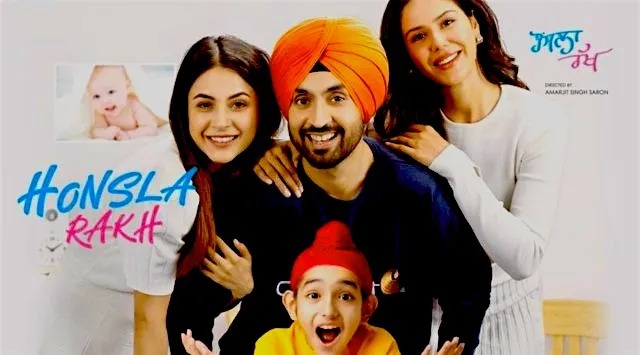
A memorable movie dialogue can sometimes become more popular than the scene where it first appeared. filmy4wapps.org is a name readers may encounter while exploring Punjabi movie information, film discussions, and entertainment-related searches, although viewers should always choose authorised sources for watching complete movies. Punjabi cinema has a strong connection with spoken language, and dialogue plays an important part in that identity. Some lines make audiences laugh, others express family emotions, and a few communicate serious ideas about relationships or society. The language can feel direct, expressive, and closely connected with everyday conversations. This is one reason certain dialogues remain familiar even after people have forgotten smaller details about the film. A good line does not always need complicated wording. Sometimes its impact comes from timing, delivery, and the situation in which a character speaks. Punjabi movie dialogues deserve attention because they show how language, acting, and writing work together to create memorable entertainment.
Language Gives Characters Identity
Dialogue helps audiences understand who a character is and how that person relates to the world around them. A confident character may speak directly, while a nervous person might hesitate or avoid answering difficult questions. These differences make conversations feel more natural and give performers opportunities to show personality through ordinary speech.
Punjabi films often use expressions that reflect regional language habits and familiar social situations. A sentence may sound humorous because of its timing, local pronunciation, or connection with a common experience. Viewers who understand the language can recognise small details that might be difficult to explain through subtitles alone.
Character identity also depends on the way dialogue changes during a film. Someone who begins with an impatient attitude may become more thoughtful after facing a difficult situation. The words used near the end can therefore communicate personal growth without requiring a lengthy explanation.
Comedy Depends On Timing
Comedy dialogues often become memorable because actors understand when to pause, respond, or change their expression. A simple sentence can create laughter when it arrives at the right moment. The same line may feel ordinary if the timing is poor or the surrounding situation does not support the joke.
Punjabi comedy frequently uses misunderstandings, quick replies, family interactions, and unexpected reactions. Writers may create humour through differences between what a character intends and what another person understands. These situations can feel familiar because similar misunderstandings happen during everyday conversations.
Good comic dialogue also needs variety. Repeating the same expression too often can make a scene predictable, while excessive shouting may reduce the impact of a joke. Natural delivery usually works better when the actors understand the personality behind each line.
Emotional Lines Build Connections
Serious dialogues can help viewers understand emotions that characters struggle to express through actions. A conversation between parents and children may reveal expectations, disappointment, affection, or regret. These moments often become meaningful because they connect the film with experiences people recognise from their own lives.
Romantic films also depend on dialogue to develop relationships. Characters may discuss trust, personal choices, misunderstandings, or the future they imagine together. A believable conversation allows the audience to understand why two people become close or why their relationship faces difficulties.
Emotional writing should avoid explaining every feeling directly. Sometimes a short response communicates more than a long speech. Actors can add meaning through facial expressions, silence, and changes in voice. This balance makes dialogue feel connected with the scene instead of appearing like a separate speech.
Writers Create Natural Conversations
Screenwriters must consider more than the basic meaning of each sentence. They need to understand the character’s age, background, education, relationships, and immediate situation. A line that suits a village elder may sound unnatural when spoken by a young college student.
Natural conversations also contain differences in sentence length and speaking style. People interrupt each other, ask questions, change subjects, and sometimes leave thoughts unfinished. Film dialogue cannot reproduce every part of ordinary conversation, but it can borrow enough realistic detail to make characters believable.
Writers should also avoid giving every character the same speaking style. Distinct voices help audiences recognise personalities without constantly relying on names or visual details. This becomes particularly useful when several characters appear together during family scenes or group conversations.
Actors Give Words Meaning
A written line does not automatically become memorable after appearing in a script. Actors must understand the situation and deliver the words in a way that feels appropriate. Voice control, facial expressions, body language, and pauses can completely change how an audience interprets the same sentence.
A humorous line may require a serious expression, while an emotional statement may need a quiet delivery. Performers also need to respond naturally to other actors instead of simply waiting for their own dialogue. Good reactions make conversations feel like genuine exchanges.
Supporting actors contribute to this process as well. A strong response from a friend, parent, or colleague can improve a scene without requiring additional dialogue from the main performer. The complete performance matters more than one isolated line.
Regional Expressions Add Detail
Punjabi has regional expressions and speaking variations that give conversations their local character. Different areas may use particular words, pronunciations, or familiar phrases. These differences can help a film establish where characters come from and how they interact with their communities.
Regional language should be used with care because unfamiliar expressions can become confusing when the surrounding context provides little explanation. A well-written scene makes the meaning understandable through reactions and situation. Subtitles can provide additional support for viewers who do not know every expression.
Filmmakers should also avoid treating regional speech as a source of humour in every situation. Language can communicate warmth, confidence, frustration, and cultural identity. Respectful use of local expressions creates richer characters and avoids reducing communities to simple stereotypes.
Subtitles Carry More Than Words
Subtitles help Punjabi movies reach audiences who understand the story but do not speak the language fluently. They can explain dialogue, cultural references, and important details that might otherwise be missed. However, translation requires careful choices because a direct word-for-word replacement may not preserve the original meaning.
Humour is particularly difficult to translate. A joke may depend on pronunciation, wordplay, or a phrase that has a familiar local meaning. Translators sometimes need to communicate the intended idea rather than reproduce every word exactly.
Subtitles also need suitable timing and readable presentation. Long sentences appearing briefly can make viewers miss important information. Clear translation helps audiences follow the story while allowing the original performances and language to remain central.
Dialogue Can Reflect Society
Punjabi movie conversations sometimes explore subjects that extend beyond individual characters. Family expectations, education, migration, employment, relationships, and social responsibilities can become part of ordinary discussions. These subjects help films connect entertainment with wider experiences.
A film may show how younger people question older traditions or how families respond to changing circumstances. Such conversations can introduce different viewpoints without requiring the story to provide one final answer. Audiences may agree with some characters and disagree with others.
Filmmakers should handle sensitive subjects thoughtfully. A character’s statement does not always represent the message of the entire film. Understanding the wider context helps viewers distinguish between a personal opinion expressed in a scene and the broader perspective developed by the story.
Music And Dialogue Work Together
Punjabi cinema often combines dialogue with music to create a stronger emotional atmosphere. A song may follow an important conversation, while background music can support a serious exchange. These choices help connect separate scenes and maintain the mood of the film.
The placement of music matters because it can either strengthen or distract from spoken words. A quiet background score may support an emotional conversation, while loud music can make important dialogue difficult to understand. Sound mixing therefore deserves attention during production.
Some scenes become memorable because the dialogue and music work together without competing. The audience remembers the words, the performance, and the sound associated with the moment. This combination can help a film remain familiar long after its release.
Why Audiences Remember Lines
People remember movie dialogues for different reasons. A line may describe a feeling they have experienced, express an opinion they already share, or make them laugh during an ordinary conversation. Familiarity can make a phrase easier to repeat and recognise.
Social media has also changed how memorable dialogues circulate. Short clips, reactions, and discussion posts can introduce a scene to people who have not watched the complete film. However, a popular clip does not always communicate the full meaning of the original conversation.
Audiences should consider the scene and character when discussing a famous line. A sentence may sound inspiring when removed from its original context, even though the film presents a more complicated situation. Watching the complete production provides a better understanding of its meaning.
Conclusion
Punjabi movie dialogues contribute to storytelling through language, humour, emotion, and character development. Their impact depends on thoughtful writing, believable acting, regional expressions, and suitable sound presentation. Viewers can appreciate these details by paying attention to conversations rather than focusing only on the main plot. Explore Punjabi cinema through reliable film information and authorised viewing platforms, compare different storytelling styles, and support the creative professionals who bring these memorable performances to audiences.
Read also :-