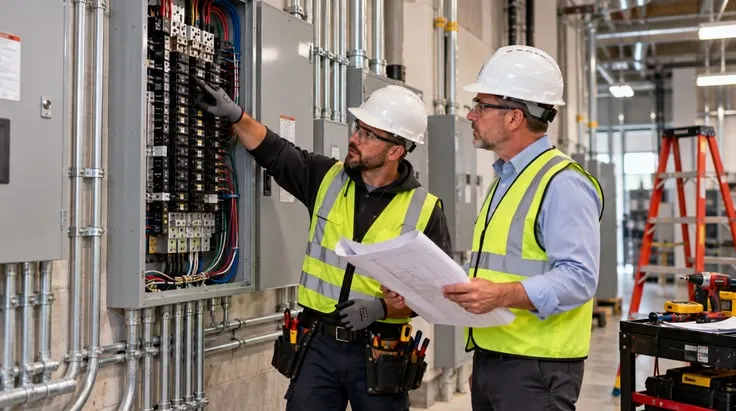
Running a commercial property involves more than keeping the lights on. Offices, retail stores, warehouses, and other business spaces depend on electrical systems that support daily operations. As technology changes and businesses introduce additional equipment, existing installations may need adjustments to remain safe and reliable.
In Montreal, property managers must also consider seasonal electricity demands and the growing interest in electric vehicle charging. Planning electrical improvements before problems occur can help reduce disruptions, manage operating costs, and prepare commercial buildings for future needs.
Why Commercial Electrical Systems Need Regular Attention
Commercial properties often experience electrical demands that differ considerably from residential buildings. Computers, heating equipment, ventilation systems, security devices, and specialized machinery may operate for extended periods. As businesses expand, additional equipment can place greater pressure on existing circuits. An installation that worked well several years ago may no longer suit the building’s current activities.
Property owners searching for a Commercial Electrician Near Me should consider professionals familiar with commercial electrical maintenance and the requirements applicable in Quebec. A qualified electrician can examine the existing infrastructure, identify potential concerns, and recommend improvements based on the property’s actual needs.
Regular assessments are particularly useful when tenants change, spaces are renovated, or new equipment is introduced.
Recognizing Electrical Problems Before They Become Serious
Electrical issues sometimes develop gradually. A flickering light or occasionally tripped breaker may seem inconvenient rather than dangerous, but recurring symptoms deserve professional attention. Business owners should watch for unusually warm outlets, damaged switches, inconsistent lighting, and unexplained interruptions affecting particular circuits.
These warning signs do not always indicate the same problem. Some may result from overloaded circuits, while others can involve deteriorating components or faulty connections.
Employees should be encouraged to report unusual electrical behaviour rather than repeatedly resetting breakers or continuing to use damaged equipment.
A timely inspection can help identify the cause before the issue interferes with normal operations.
Upgrading Electrical Infrastructure During Renovations
Commercial renovations create an opportunity to assess electrical infrastructure before new walls, ceilings, and workstations are installed. For example, converting a retail space into an office may require additional outlets, lighting adjustments, and changes to electrical distribution. Property managers should coordinate electrical planning with other renovation activities to avoid unnecessary rework.
An electrician can evaluate the existing circuits, determine whether new connections are required, and recommend suitable equipment. Planning the electrical layout early can also make future maintenance easier by keeping important components accessible.
Introducing Electric Vehicle Charging at Commercial Properties
Electric vehicle charging is becoming an important consideration for workplaces, retail properties, and businesses operating vehicle fleets. Charging stations can serve employees who park for several hours or customers who visit the property. However, the appropriate equipment depends on how long vehicles remain parked and how much electrical capacity is available.
Professional Commercial Ev Charger Installation involves more than mounting charging units. The project may require electrical load calculations, dedicated circuits, protective equipment, and suitable cable routing.
For properties expecting multiple vehicles to charge simultaneously, load management systems may help distribute available power. Planning additional capacity during the initial project can also make future expansion more manageable.
Improving Lighting Efficiency Across Business Spaces
Lighting contributes to both operating costs and employee comfort. In commercial properties, fixtures may remain in use throughout the working day or even overnight. Replacing outdated lighting with energy-efficient LED systems can help reduce electricity consumption. Occupancy sensors and programmable controls may provide additional savings in storage rooms, corridors, and other areas that do not require continuous lighting.
However, lighting improvements should not compromise visibility or safety. Different spaces require appropriate illumination levels depending on the activities performed. A professional assessment can help determine suitable fixtures and control systems for each location.
Planning Electrical Maintenance Around Business Operations
Unexpected electrical interruptions can affect productivity and create inconvenience for customers. Businesses can reduce certain risks by organizing maintenance before equipment fails.
An effective maintenance approach should include:
-
Scheduling periodic electrical inspections based on building needs.
-
Reporting damaged outlets and switches promptly.
-
Reviewing electrical capacity before adding major equipment.
-
Keeping electrical panels accessible.
-
Maintaining records of previous repairs and upgrades.
-
Coordinating planned shutdowns with building occupants.
These steps help property managers understand their infrastructure and organize necessary work.
In Quebec, electrical installation work must follow applicable regulations and be performed by appropriately authorized contractors.
Conclusion
Commercial electrical planning is an ongoing responsibility rather than a one-time project. Maintaining existing systems, preparing for renovations, improving lighting, and considering electric vehicle charging can help businesses operate more efficiently.
For property owners and managers across Greater Montreal, electrivolt.ca/en provides information about commercial electrical services, maintenance, upgrades, and charging infrastructure. Working with qualified professionals helps businesses make informed decisions while supporting safe and dependable building operations.